



Archeolodzy z Turcji ogłosili, że u wyspy Kekova na południu kraju leży najstarszy znany wrak statku na świecie – ma około 4500 lat. Poniżej krótka wiadomość prostym angielskim (poziom B1), słowniczek angielsko-polski na 10 słów i 3 pytania na rozumienie tekstu.
Szczegóły odkrycia opisały CBS News i ABC News (Australia), powołując się na kierownika badań z Uniwersytetu Akdeniz w Antalyi.
Najważniejsze:

- Wrak ma od 4400 do 4700 lat – to mniej więcej czasy budowy piramid w Gizie.
- Drewno statku się nie zachowało. Zostały gliniane dzbany (amfory) i kotwice.
- Dotychczasowy rekordzista, wrak na Morzu Egejskim u wybrzeży Grecji, ma około 4200 lat.
The news in simple English
Archaeologists in Turkey say they have found the oldest known shipwreck in the world. The ship sank in shallow water near Kekova Island, on the south coast of Turkey. It is about 4,500 years old. That is around the time when the Great Pyramid of Giza was built in Egypt.
The wooden parts of the ship disappeared a long time ago. But the divers found about 30 clay jars, called amphorae, and several anchors. The jars were stuck in the rocks and covered with small sea animals. The team used hammers and chisels to take them out. Then they put them in water baths, so the salt could come out slowly.



The team first saw the wreck four years ago. At that time, they thought the jars were only one or two hundred years old. Later, they saw the same jar shapes in a book about Egyptian archaeology. They came back and studied the site again.
The research is led by Hakan Öniz from Akdeniz University in Antalya. Karin Sowada, a pottery expert from Macquarie University in Sydney, studied the clay. It suggests that the jars were made in the Jordan Valley. The ship was probably a trading ship. It may have carried olive oil or wine to the west, but scientists are still testing what is left inside the jars.
Grammar tip: „was found”, „were made”
News about history often uses the passive voice. We say what happened, not who did it: The ship was found near Kekova. The jars were made in the Jordan Valley. The pyramid was built in Egypt. The form is simple: was/were + the third form of the verb. More examples are in our guide Strona bierna po angielsku: kiedy jest potrzebna i jak ją tworzyć.
Słowniczek: 10 słów z tej wiadomości
| English | Polski |
|---|---|
| shipwreck | wrak statku |
| archaeologist | archeolog |
| to sink (sank, sunk) | zatonąć |
| shallow water | płytka woda |
| coast | wybrzeże |
| clay jar | gliniany dzban |
| anchor | kotwica |
| diver | nurek |
| trading ship | statek handlowy |
| to suggest | wskazywać, sugerować |
Uwaga na wymowę: archaeologist czytamy mniej więcej „a:ki-OL-o-dżist”, a w shipwreck litera „w” jest niema.


Check yourself: 3 questions
- How old is the shipwreck, and what else was built at around the same time?
- Why did the team not know the age of the jars four years ago?
- What may the ship have carried, and why are scientists not sure yet?
Odpowiedzi: 1) About 4,500 years old; the Great Pyramid of Giza. 2) They thought the jars were only 100–200 years old; later they saw the same shapes in a book about Egyptian archaeology. 3) Olive oil or wine; tests of what is left inside the jars are still going on.
Chcesz poćwiczyć czasy przeszłe na innych przykładach? Zajrzyj też do tekstu Present Perfect Continuous: kiedy używać i jak odróżnić od Present Perfect.
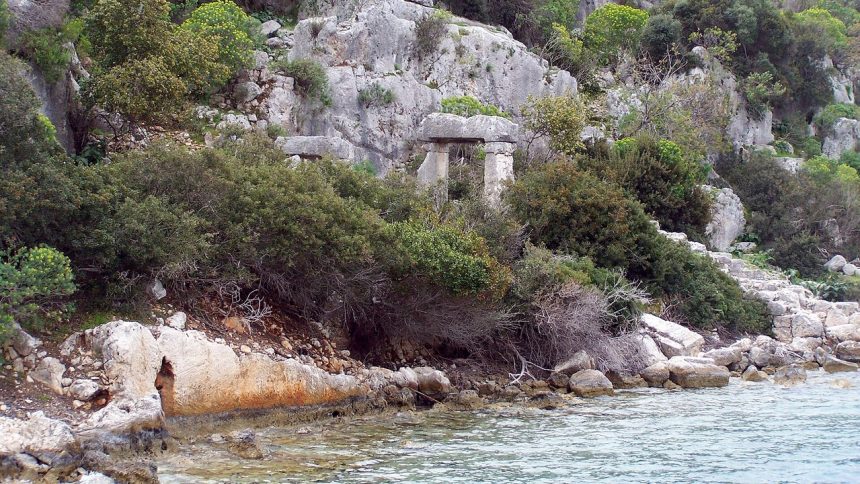
Foto: wybrzeże wyspy Kekova w Turcji. Brbbl, CC BY-SA 4.0, Wikimedia Commons.