






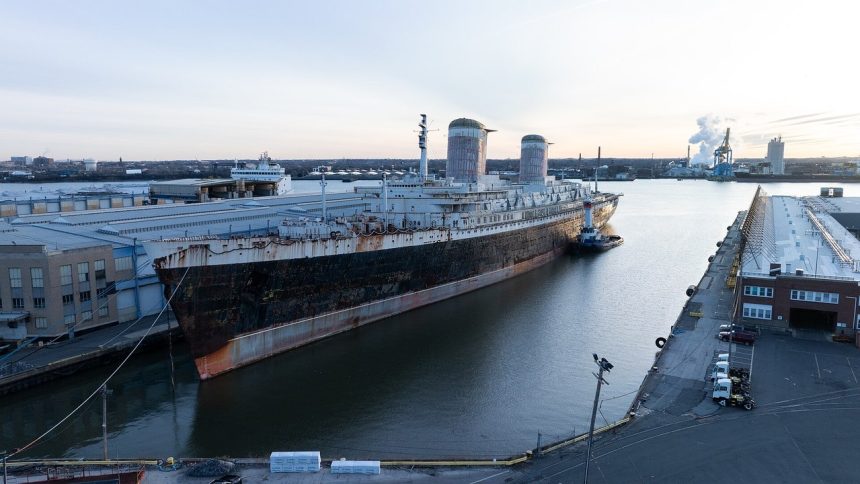
Słynny transatlantyk SS United States został celowo zatopiony w środę 11 listopada 2026 r. w Zatoce Meksykańskiej, ok. 20 mil morskich od Destin na Florydzie. Statek ma stać się największą sztuczną rafą na świecie. Poniżej krótki tekst po angielsku na poziomie B1, słowniczek i pytania.
Informacje pochodzą z BBC News oraz ze strony hrabstwa Okaloosa (FAQ o projekcie), które kupiło statek. Część szczegółów potwierdza też CBS News.
- Co: historyczny statek pasażerski, dłuższy niż Titanic.
- Gdzie: dno Zatoki Meksykańskiej, ok. 55 m głębokości.
- Po co: rafa dla ryb i atrakcja dla nurków, a na lądzie – muzeum.
Read the news: a famous ship goes under the sea
A very famous ship is now at the bottom of the sea. On Wednesday, 11 November 2026, workers sank the SS United States on purpose. They did it about 20 nautical miles from Destin, a town in Florida, USA.
Powiązane wiadomości


The ship is about 300 metres long. That is longer than the Titanic. In 1952, on its first trip, it crossed the Atlantic Ocean faster than any other passenger ship. Many people say it still holds this speed record.
From 1952 to 1969, the ship carried passengers between the USA and Europe. Presidents and film stars travelled on it. After 1969, it stopped working. For almost 30 years, it stayed in a port in Philadelphia.



Some people wanted to make the ship a museum or a hotel. These plans did not work. In 2024, Okaloosa County in Florida bought the ship. The county planned about 13 million dollars for the whole project. Workers cleaned the ship in Alabama. Then boats pulled it to Florida, and the team sank it without explosives.
Now the ship will become an artificial reef. Fish and other sea animals will live on it, and divers will visit it. The county also wants to open a museum about the ship on land.
Słowniczek: 10 słów z tekstu
| English | Polski | Przykład z tekstu |
|---|---|---|
| to sink (sank, sunk) | zatopić; zatonąć | workers sank the ship |
| on purpose | celowo, specjalnie | sank it on purpose |
| the bottom of the sea | dno morza | now at the bottom of the sea |
| nautical mile | mila morska (ok. 1,85 km) | 20 nautical miles from Destin |
| to cross | przepłynąć, przekroczyć | it crossed the Atlantic Ocean |
| passenger | pasażer | a passenger ship |
| speed record | rekord prędkości | it still holds this speed record |
| port | port | it stayed in a port in Philadelphia |
| to pull | holować, ciągnąć | boats pulled it to Florida |
| artificial reef | sztuczna rafa | the ship will become an artificial reef |
Uwaga na formy: sink – sank – sunk. W nagłówkach prasowych często zobaczysz stronę bierną: „The ship was sunk” (statek został zatopiony). Jak ją tworzyć, wyjaśniamy w tekście Strona bierna po angielsku: kiedy jest potrzebna.
Sprawdź się: 3 pytania do tekstu
- Why is the SS United States famous? (Odpowiedź: it crossed the Atlantic faster than any other passenger ship in 1952, and famous people travelled on it.)
- Where did the ship stay for almost 30 years? (Odpowiedź: in a port in Philadelphia.)
- What will live on the ship now? (Odpowiedź: fish and other sea animals; it will be an artificial reef.)
Dlaczego wrak to dobra rafa?
Sztuczne rafy z wraków tworzy się od lat. Twarda konstrukcja na dnie daje schronienie rybom i koralowcom. Według hrabstwa Okaloosa górny pokład statku leży ok. 55 stóp (ok. 17 m) pod powierzchnią, a dno – ok. 180 stóp (ok. 55 m). Hrabstwo nie podało jeszcze, od kiedy i na jakich zasadach nurkowie będą mogli odwiedzać wrak. Jeśli lubisz morskie historie, przeczytaj też nasz tekst o najstarszym wraku statku na świecie – po angielsku.



Foto: SS United States w Filadelfii przed holowaniem na południe. WSRower, CC0, Wikimedia Commons.

















, słowniczek 10 słów i 3 pytania.)