





W nocy z soboty na niedzielę, 8 listopada, środkową Japonię nawiedziło trzęsienie ziemi o magnitudzie 5,7. Ponad 20 osób zostało rannych, a japońska agencja meteorologiczna ostrzega przed kolejnymi silnymi wstrząsami w najbliższych dniach. Poniżej znajdziesz krótki tekst o tym wydarzeniu prostym angielskim (poziom B1), słowniczek angielsko-polski i 3 pytania sprawdzające.
Fakty pochodzą z relacji Al Jazeera (na podstawie AP i Kyodo) oraz TRT World (Anadolu), które powołują się na Japońską Agencję Meteorologiczną (JMA).
- Kiedy: niedziela, 8 listopada, godz. 1:04 czasu japońskiego (w Polsce była to sobota, ok. 17:00).
- Gdzie: zachodnia część prefektury Shizuoka, ok. 40 km pod ziemią.
- Skutki: ponad 20 rannych, brak ostrzeżenia przed tsunami, opóźnienia pociągów.
Read the news: a strong earthquake in central Japan
A strong earthquake hit central Japan early on Sunday, 8 November. It happened at 1:04 a.m. local time. The Japan Meteorological Agency said the magnitude was 5.7. The centre of the earthquake was in the west of Shizuoka Prefecture, about 40 kilometres under the ground.


More than 20 people were injured in Shizuoka and Aichi prefectures. Some people fell on the stairs when they ran out of buildings. In some shops, windows broke and glass covered the streets. In one bookshop, many books fell from the shelves.
People felt the earthquake in a large area, for example in the city of Hamamatsu and in the old cities of Kyoto and Nara. People in Tokyo did not feel it. There was no tsunami warning. The company that runs the Hamaoka nuclear power plant said there were no problems there.
Powiązane wiadomości


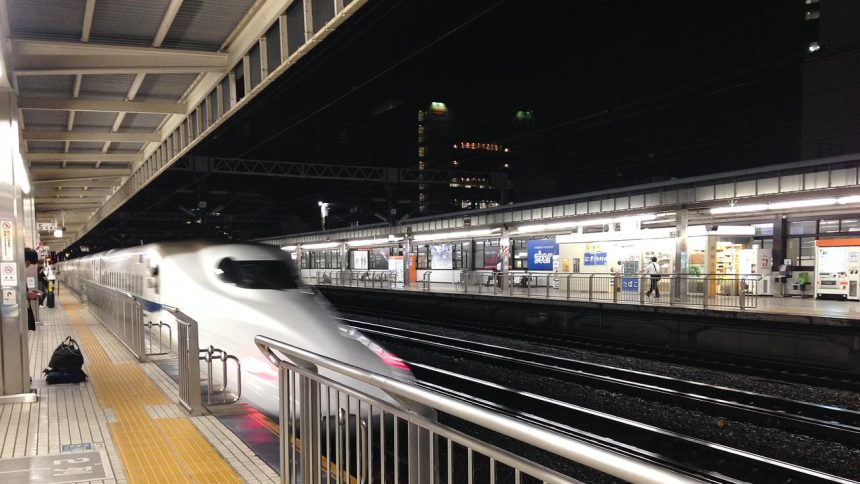
Some local trains stopped. Fast Shinkansen trains on the Tokaido line were delayed because workers had to check the tracks. The weather agency warned that more strong earthquakes are possible in the next week, especially in the first two or three days. It also asked people to be careful because of possible landslides and falling rocks.
Słowniczek: 10 słów z tekstu
| English | Polski |
|---|---|
| earthquake | trzęsienie ziemi |
| to hit (hit, hit) | uderzyć, nawiedzić |
| magnitude | magnituda, siła wstrząsu |
| injured | ranny |
| stairs | schody |
| shelf (pl. shelves) | półka |
| tsunami warning | ostrzeżenie przed tsunami |
| nuclear power plant | elektrownia jądrowa |
| delayed | opóźniony |
| landslide | osuwisko ziemi |
Na co zwrócić uwagę w gramatyce?
Tekst opisuje wydarzenie z przeszłości, więc większość czasowników stoi w past simple. Kilka z nich jest nieregularnych: hit – hit, fall – fell, break – broke, feel – felt, run – ran. Jak ich się uczyć bez wkuwania tabeli, piszemy w poradniku czasowniki nieregularne po angielsku. Zwróć też uwagę na stronę bierną: people were injured, trains were delayed.
3 pytania: sprawdź, ile zrozumiałeś
- What was the magnitude of the earthquake, and where was its centre?
- Why did some people get injured?
- What did the weather agency warn people about?
Odpowiedzi: 1) 5.7, in the west of Shizuoka Prefecture. 2) Some fell on the stairs when they ran out of buildings; glass also broke in shops. 3) More strong earthquakes in the next week, and landslides and falling rocks.
Jeśli wybierasz się do Japonii, śledź komunikaty lokalnych władz i przewoźników. Poprzedni odcinek serii: szczyt klimatyczny COP31 po angielsku.
Powiązane wiadomości



Foto: pociąg Tokaido Shinkansen na stacji Shizuoka. そらみみ (Soramimi), CC BY-SA 4.0, Wikimedia Commons.